The Secret to Sustainable Success and Resilience
In the fast-paced world of high performers, burnout is a lurking menace. It’s a paradox that the very traits that drive success—passion, grit, and determination—can also lead to exhaustion, stress, and ultimately, burnout. But what if there was a way to maintain the drive without the burnout? Enter emotional regulation, a potent tool that can help high performers maintain their well-being and prevent burnout.
The High Performer’s Dilemma
High performers are characterised by their drive, motivation, resilience, and determination. They’re the ones who set the bar high, pushing boundaries and constantly striving for excellence. But this relentless pursuit of achievement can come at a cost. According to a report, 53% of high performers experience burnout, higher than the 49% of typical employees1.
The Burnout Phenomenon
Burnout is a state of chronic physical and emotional exhaustion. It can lead to feelings of detachment, cynicism, and a lack of accomplishment. Stress, exhaustion, and other factors play a significant role in causing burnout. A five-year study in the UK found that the mental health of 20% of the top performers was affected due to burnout2.
Emotional Regulation: The Unsung Hero
Emotional regulation refers to our ability to effectively manage and respond to an emotional experience. It’s about being able to stay in control of your emotions, rather than letting your emotions control you. Emotional regulation is a critical skill for high performers, as it can help them maintain their balance and prevent burnout.
Emotional Regulation Strategies for High Performers
Emotional regulation can be achieved through various strategies, including mindfulness, journaling, meditation, and therapy. These strategies can help high performers manage their emotions, reduce stress, and prevent burnout. Over 70% of employees say they’re burned out and feel that their bosses aren’t doing nearly enough to help3.
Conclusion
Emotional regulation is a powerful tool that can help high performers maintain their well-being and prevent burnout. By incorporating emotional regulation strategies into their routines, high performers can continue to strive for excellence without compromising their mental health.
FAQs:
1. What are the key characteristics of high performers?
High performers are characterized by their drive, motivation, resilience, and determination. They are known for their ability to set high standards, push boundaries, and constantly strive for excellence.
2. What are the common symptoms of burnout?
Burnout is characterized by chronic physical and emotional exhaustion, feelings of detachment, cynicism, and a lack of accomplishment. It can also lead to symptoms such as difficulty concentrating, irritability, and loss of motivation.
3. How does emotional regulation help in preventing burnout?
Emotional regulation helps in preventing burnout by allowing individuals to effectively manage and respond to their emotional experiences. This can help reduce stress, maintain balance, and prevent the onset of burnout.
4. What are some effective emotional regulation strategies for high performers?
Effective emotional regulation strategies for high performers include mindfulness, journaling, meditation, and therapy. These strategies can help manage emotions, reduce stress, and prevent burnout.
5. How can high performers incorporate emotional regulation into their daily routines?
High performers can incorporate emotional regulation into their daily routines by setting aside time for mindfulness practices, maintaining a journal to process emotions, engaging in regular meditation, and seeking therapy if needed.
Like this:
Like Loading...

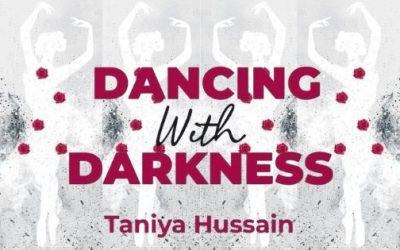
Taniya Hussain qualified as a Social Worker in 1991 from Coventry University in England, UK. She has been working on the front lines in London UK, consistently holding space for individuals and families in chaos and crisis for three decades especially, children and young people on the margins of society. Taniya studied Psycho-dynamic counselling from 1991 to 1993 at Goldsmiths College in London. Taniya met Sheikha Halima Krausen in 1992 and has been studying Islam with her ever since especially Mystical Islam, Tassawuf (Sufism) and walks on the Chisti path. Taniya fuses Jungian Pyschology and Islamic Psychology and this fusion can best be understood if you read her book Dancing with Darkness which is available on Amazon. It became a Best Seller on Amazon in the UK, U.S and France in April 2025. The book tells the story of Tamara Alvi, a fictional charachter and is a psychological thriller and a story of healing. Taniya started her coaching and consulting business in January 2018 and she works mainly with High Achievers and High Performers and High Performing Leaders, offering reflective spaces since 2018 and what she refers to as THE REFLECTIVE SPACE. Taniya since starting her busines discovered that she is a powerful healer and was shocked that clients were relieved from pain even though they have been diagnosed with a chronic illness. Taniya is delighted to have discovered Paceology, which is the detailed study of PACE. She is the first paceologist. She noticed when working with high performers when you slow down in one area of your life, this causes you to speed up in another area and vice cersa thus leading to increased levels of productivity, creativity, clarity and energy. She brands herself as the Muslim Alchemist because she really is The Muslim Alchemist as she guides you to transfom the base, in other words the shit that you have experienced into GOLD whether that is love of yourself or God or another human being or a healthier body or a life where you feel at peace and calm and fulfilled or more energy or more money. You definintely will feel lighter, more freer and more clearer even if you book one consultation with her or several sessions.
Taniya has a very holistic approach when working with individuals and works with you on multiple layers, the emotional, the psychological, the social, the physical, the mental and the spriritual. She uses stories from the Quran and the Bible when working with clients on a one to one basis or in group workshops as well as breathwork, body scanning, cognitive behavioural therapy, neuro linguistic programming, motivational interviewing. systems theory, neuro science. She is trained in multiple modalities as well as using her own Paceology and insists on offering her clients a trauma informed and trauma responsive service.
She is constantly integrating her knowledge of the Quran and Bible with her vast social work experience and training. Taniya's extensive ability of applying psycho-dynamic theory to organisational settings, teams and groups as well as to individuals results in those who attend her sessions or workshops as feeling lighter and more energised. Taniya uses skillfully her understanding of the Shadow, that Jung constantly talked about and her Mystical Training. She also has integrated her passion for inter-faith dialogue and the archetypes that Jung often refers to, come alive in her one to one sessions and her group workshops thus resulting in individuals feeling more freer and fulfilled after they stop working with her. Taniya just does not provide clarity she WAKES you up to. Taniya has a great skill in being able to see the blind spots in others and does this in a non judgemental way and a way that you feel safe. She also "untangles energetic knots" (a term she uses for Shadow) in your body to promote healing from mental and physical disease. Clients usually are healed in a short amount of time because she pinpoints the memory, the event, the thought that first caused the disease. She also provides one to one sessios or training workshops to social work teams, school, secure and prison estate on youth justice, knife crime prevention as well asidentification and prevention of early onset of burnout.
Taniya has three sons, who were born in 1996, 2001 and 200 and lives in Surrey, England and when she is not coaching or writing songs, blogs and poems, she loves to spend time, travelling, walking, listening to music, watching films or playing cricket.
She speaks fluent English and Urdu and basic German and French and is learning Arabic and Hebrew.


0 Comments